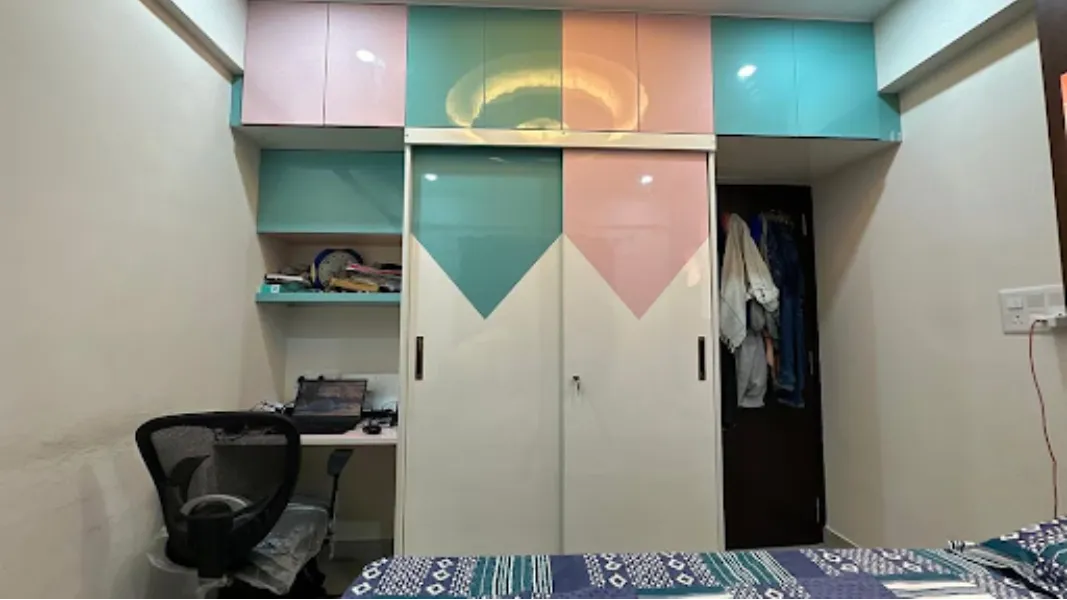
The usefulness of Master bedroom wardrobes depends far more on their internal configuration than their external appearance. A wardrobe can look elegant and still become frustrating if hanging spaces are too short, drawers are difficult to access, or shelves do not match the belongings that need to be stored.
Homeowners in Mahalunge, Maharashtra, can avoid these issues by treating wardrobe planning as a storage exercise first and a decorative decision second.
Begin With What You Need to Store
Before selecting colours and finishes, make a simple inventory of clothing and accessories.
Consider how much space is required for:
- Shirts and trousers
- Dresses and long garments
- Folded clothes
- Sarees
- Seasonal clothing
- Jewellery
- Watches
- Bags
- Shoes
- Bedding
- Suitcases
Two wardrobes of identical external dimensions can provide very different levels of convenience depending on how their interiors are divided.
Hanging Space Needs the Right Height
Not every garment requires full-height hanging space.
Shirts, jackets, and folded trousers can usually use shorter hanging sections, allowing another storage zone above or below. Long dresses and other full-length garments require taller sections.
Dividing hanging areas according to clothing types can therefore increase usable capacity without increasing wardrobe dimensions.
Drawers Keep Smaller Items Organised
Accessories and smaller garments often become difficult to manage on deep shelves.
Internal drawers can provide dedicated storage for items such as watches, jewellery, belts, undergarments, and everyday accessories.
The number and height of drawers should be determined by actual requirements. Adding too many small compartments can reduce flexibility if storage needs change.
Upper Storage Has a Different Purpose
The top section of a wardrobe is usually less convenient for everyday access, making it suitable for items used occasionally.
Suitcases, extra bedding, winter clothing, and infrequently used belongings can be stored there while frequently used clothing remains at comfortable heights.
This simple zoning principle can make daily wardrobe use considerably easier.
Door Type Depends on Available Space
The bedroom layout should influence the choice between hinged and sliding shutters.
Hinged shutters provide broad access to wardrobe interiors but require clear space in front. Sliding shutters can be useful where the bed leaves limited passage space, although one section remains covered when another is open.
Neither option is universally better. The right choice depends on room dimensions, access requirements, and user preferences.
Finishes Should Work With the Bedroom
Large wardrobes occupy substantial visual space. Very elaborate finishes can dominate smaller bedrooms.
Neutral shades, wood textures, glass elements, mirrors, and selected accent finishes can all work when coordinated with flooring, wall colours, the bed, and lighting.
The objective is visual continuity rather than making every furniture element a separate focal point.
Small Details Affect Everyday Comfort
Handles, channels, drawer hardware, hinges, shelf heights, internal lighting, and ventilation considerations can influence how comfortable the wardrobe feels in daily use.
For Mahalunge homeowners, it is worth reviewing a detailed internal layout before manufacturing begins rather than approving only an external elevation.
Well-planned Master bedroom wardrobes should make clothing easier to organise, retrieve, and return to its place. A customized solution from a provider such as Veer Modular Kitchen can account for room dimensions as well as individual storage habits.
Ultimately, the best wardrobe is not necessarily the one with the most compartments. It is the one whose compartments correspond closely to how the homeowner actually lives.
Keywords