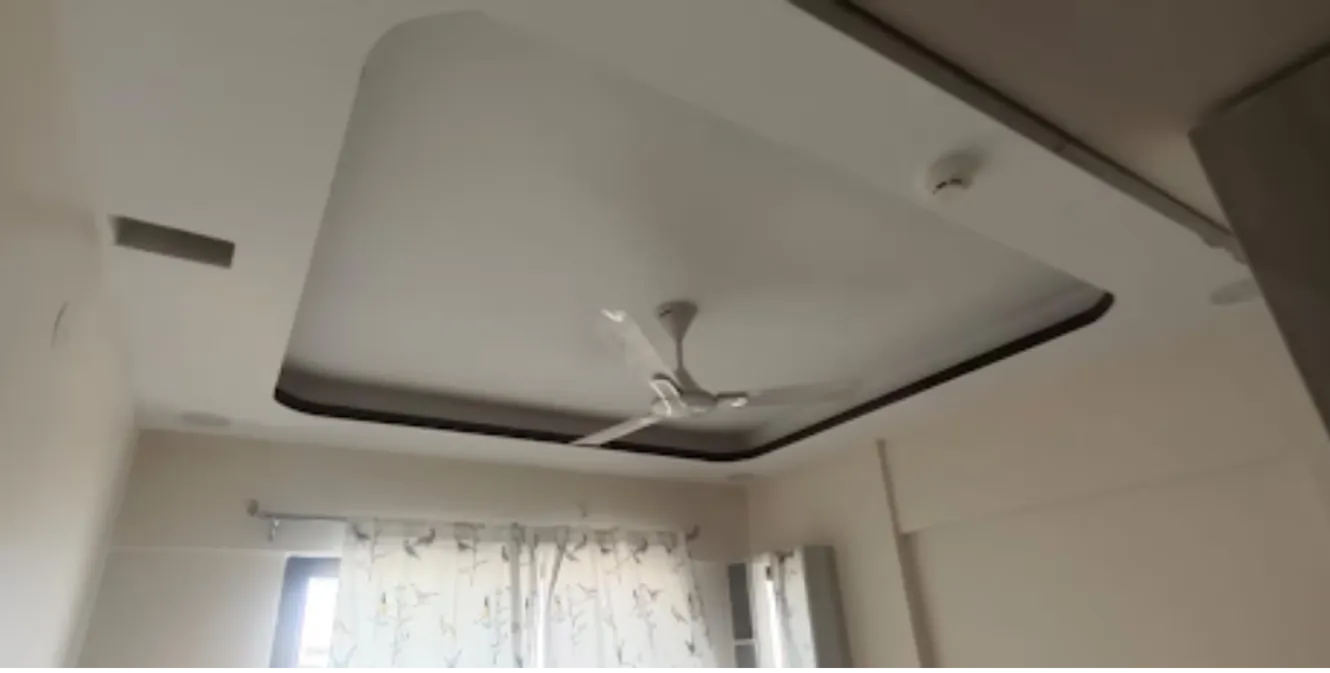
A false ceiling can transform the look and functionality of a home when it is planned correctly. Besides adding visual appeal, it helps improve lighting, conceal wiring, and create a cleaner interior. However, many homeowners make decisions based only on design trends without considering practical aspects such as room dimensions, maintenance, ventilation, and lighting requirements. Understanding these factors before choosing False ceiling services can help you achieve a ceiling design that remains attractive and functional for years.
With residential projects growing across Malunge, Pune, Maharashtra, false ceilings have become a common feature in apartments and independent homes. From modern minimalist designs to decorative ceiling patterns, homeowners have numerous options available. The key is selecting a design that complements your home instead of simply following popular styles.
Start with the Purpose, Not the Design
Before selecting any ceiling pattern, it is important to understand why you want a false ceiling.
Homeowners generally install false ceilings to:
- Improve the appearance of interiors
- Conceal electrical wiring and pipes
- Create layered lighting effects
- Enhance thermal comfort
- Reduce visible structural imperfections
- Improve the overall finish of a room
Having a clear purpose helps in choosing the right design instead of selecting one purely for decoration.
Mistake 1: Ignoring Ceiling Height
One of the most common mistakes is installing a decorative false ceiling in a room with limited height.
False ceilings slightly reduce the overall ceiling height. In rooms that already have lower ceilings, highly layered or elaborate designs can make the space feel smaller and less open.
Simple and clean ceiling layouts often work better in compact apartments while still providing space for concealed lighting and electrical fittings.
Mistake 2: Poor Lighting Planning
Lighting and false ceiling design should always be planned together.
Many homeowners finalize the ceiling first and think about lighting later, resulting in poorly illuminated rooms or unnecessary electrical modifications.
Before installation, consider:
- Placement of LED downlights
- Cove lighting locations
- Pendant light positions
- Ceiling fan installation
- Natural light entering the room
Planning these elements together creates a more balanced and comfortable living environment.
Mistake 3: Choosing Materials Without Understanding Their Use
Different ceiling materials perform differently depending on the room.
Some commonly used materials include:
- Gypsum boards for smooth contemporary finishes
- POP for decorative ceiling designs
- PVC panels for moisture-prone areas
- Wooden finish panels for aesthetic appeal
Each material has its own maintenance requirements, durability, and suitability. Selecting the appropriate material based on the room's purpose often delivers better long-term performance.
Mistake 4: Overcomplicating the Design
Modern interiors do not always require highly decorative ceiling patterns. In many homes, simple geometric designs create a cleaner and more elegant appearance.
Overly complex ceilings can:
- Make smaller rooms feel crowded
- Increase maintenance
- Raise installation costs
- Distract from the overall interior design
Choosing a ceiling that complements the furniture and layout usually creates a more balanced result.
Mistake 5: Forgetting Future Maintenance
Electrical wiring, internet cables, and air-conditioning systems may require maintenance in the future.
During planning, homeowners should ensure that appropriate access points are included wherever necessary. This helps technicians carry out repairs without damaging the ceiling structure.
Thinking ahead can save considerable time and expense later.
Why Professional Planning Is Important
False ceilings involve much more than installing gypsum boards. Proper measurements, lighting layouts, electrical coordination, ventilation planning, and finishing all contribute to the final outcome.
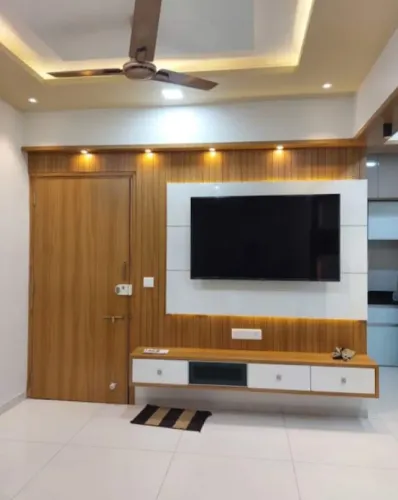
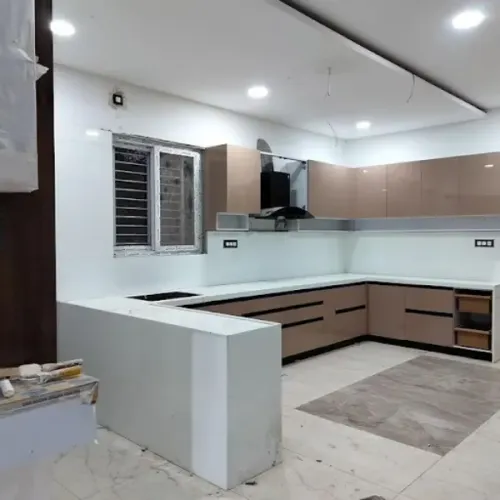
Professional planning also ensures that the ceiling design works well with modular kitchens, wardrobes, TV units, and the overall interior style of the home. Instead of treating the ceiling as a separate element, experienced designers integrate it into the complete interior plan.
Homeowners in Malunge planning complete home interiors often consider Veer Modular Kitchen, which offers false ceiling services along with modular furniture and customized interior solutions. By evaluating room dimensions, lighting requirements, and design preferences before installation, the company develops ceiling concepts that complement the home's overall layout. Additional information about its interior solutions can be explored through nilkanthmodularkitchen.com.
A false ceiling is a long-term addition to your home, so careful planning is essential before installation begins. By focusing on functionality, material quality, lighting, and practical design rather than temporary trends, homeowners can create interiors that remain comfortable, elegant, and easy to maintain for many years.
Keywords