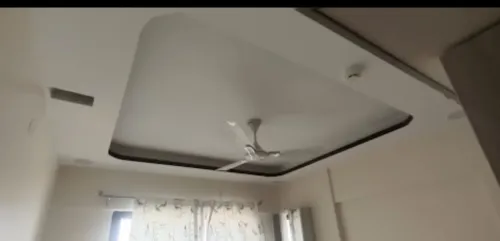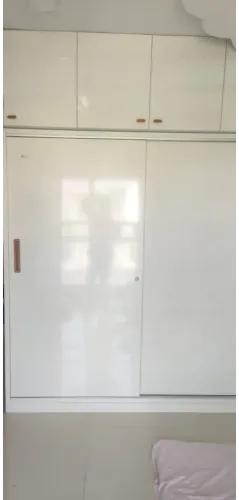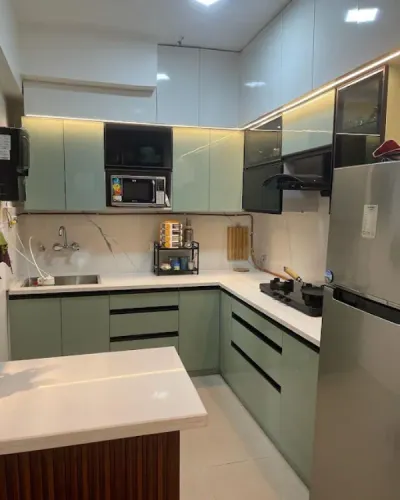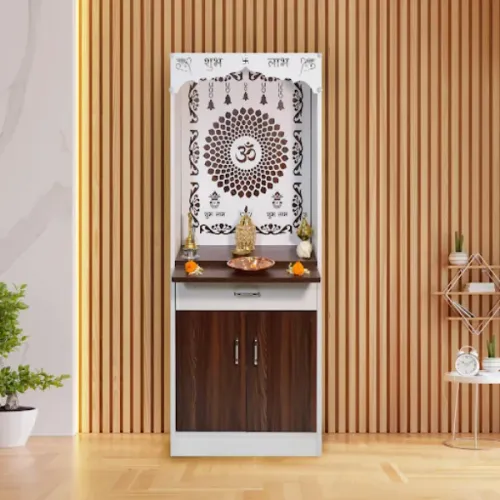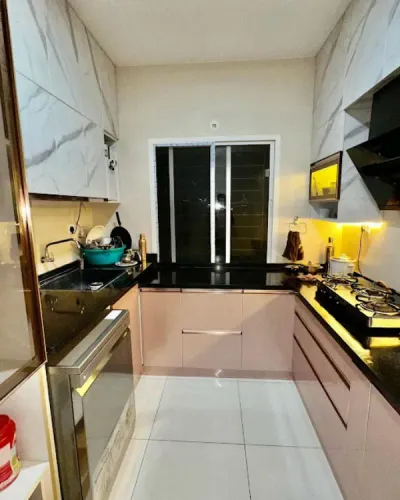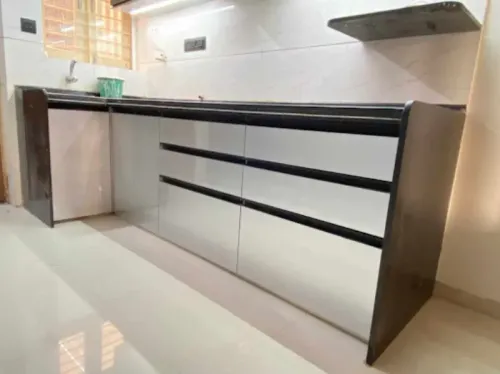
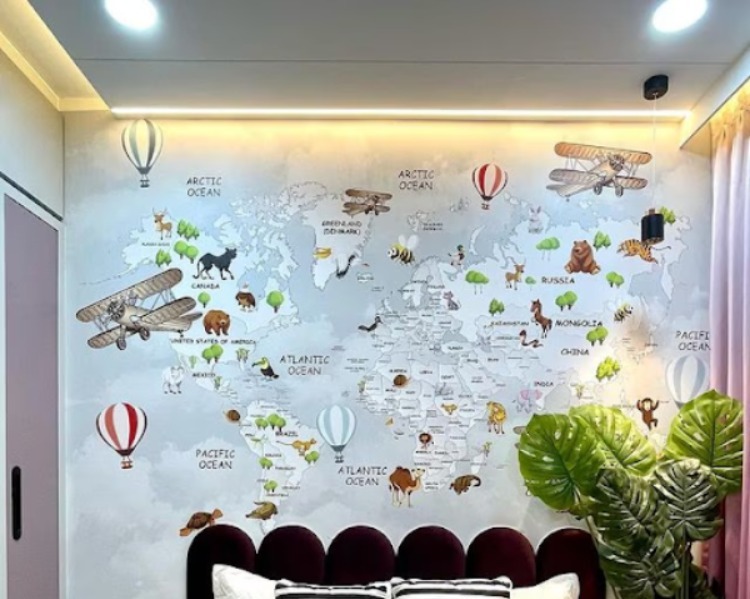
Furniture establishes the functional structure of a home, but Wall decor often determines whether the finished space feels warm, balanced, and personal. The difficulty is knowing when to add visual detail and when to leave a wall relatively simple.
For homeowners in PCMC, Maharashtra, planning wall treatments alongside furniture can help avoid the common problem of adding unrelated decorative elements after the main interior work is finished.
Identify the Walls That Need Attention
Not every wall should become a focal point.
Start by identifying the most visually important surfaces. These may include the wall behind a sofa, television, dining table, bed, entrance console, or prayer unit.
Allowing some surrounding walls to remain simpler gives the focal areas more impact.
If every wall contains a different texture, colour, panel, artwork, and lighting treatment, the room can become visually exhausting.
Choose Decor According to Room Function
Different spaces benefit from different approaches.
A living room may accommodate artwork, textured surfaces, subtle panelling, display shelves, or a feature wall. Bedrooms generally benefit from calmer treatments. Dining areas can use mirrors, artwork, or selected wall finishes to define the zone.
Passages may need only a small number of carefully positioned elements.
The purpose of the room should influence decorative intensity.
Consider Furniture Before Wall Treatments
Wall decor should respond to the dimensions and placement of furniture.
For example, artwork above a sofa should relate to the sofa's scale rather than appearing as an isolated object. A decorative panel behind a TV should account for the TV unit, wiring, speakers, and screen dimensions.
Likewise, a bedroom feature wall should be planned with the bed and headboard rather than independently.
Use Texture With Restraint
Fluted panels, wood-inspired surfaces, wallpapers, mouldings, textured paint, stone-inspired finishes, and other materials can create depth.
Combining too many textures within one room can reduce their impact.
Selecting one dominant treatment and allowing other surfaces to support it often creates a more composed interior.
Lighting Can Transform Wall Features
Accent lighting can emphasise artwork, textures, niches, and panels.
However, electrical planning should happen before finishing work wherever possible. Adding wiring after panels or decorative surfaces have been completed can complicate installation.
The light itself should also serve a purpose. Excessive decorative lighting can create glare and unnecessary visual clutter.
Think About Cleaning and Longevity
Wall treatments are not maintenance-free.
Grooved panels can collect dust. Fabric surfaces may require different cleaning methods. Wallpapers can respond differently to moisture depending on location and material. Mirrors require regular cleaning, particularly in high-touch areas.
Households with young children or pets may prioritise durable, washable surfaces at lower wall levels.
Keep Personal Elements in the Design
A home does not need to resemble a furniture showroom.
Family photographs, artwork, travel pieces, books, plants, and meaningful objects can add personality when displayed selectively.
Custom shelves or niches can provide dedicated positions for these items without creating random clutter.
Evaluate the Whole Home Before Finalising
Veer Modular Kitchen can coordinate Wall decor with modular furniture and interior elements where homeowners want a consistent visual language across rooms.
For PCMC homeowners choosing an interior provider, it is useful to review how proposed wall treatments relate to furniture dimensions, lighting, ceiling details, flooring, and existing architectural features.
Successful wall decor does not depend on filling empty surfaces. It depends on recognising which walls deserve attention and choosing treatments that complement the room rather than compete with it.
When proportion, texture, lighting, maintenance, and personal preferences are considered together, wall decor becomes the finishing layer that connects the different elements of a home into a coherent interior.
Keywords