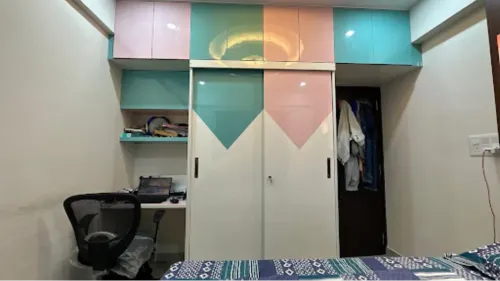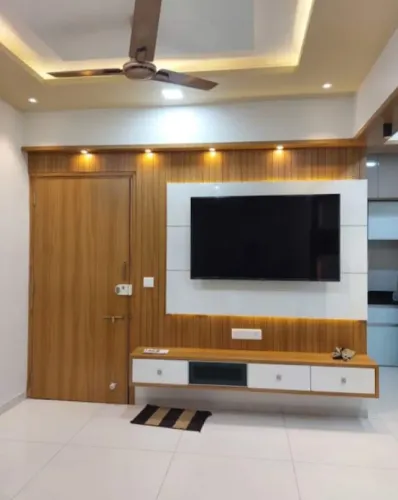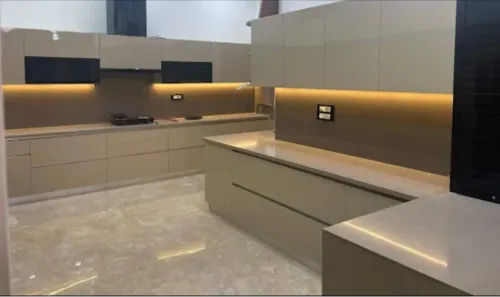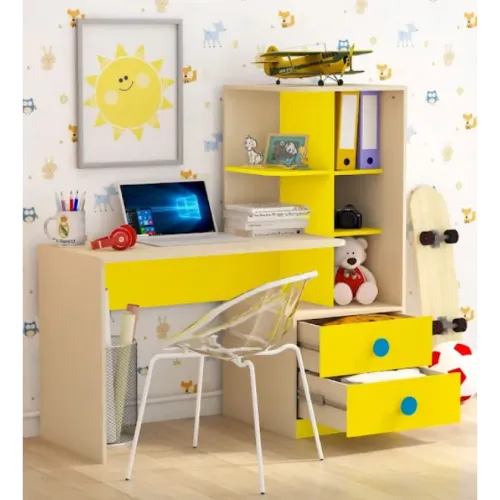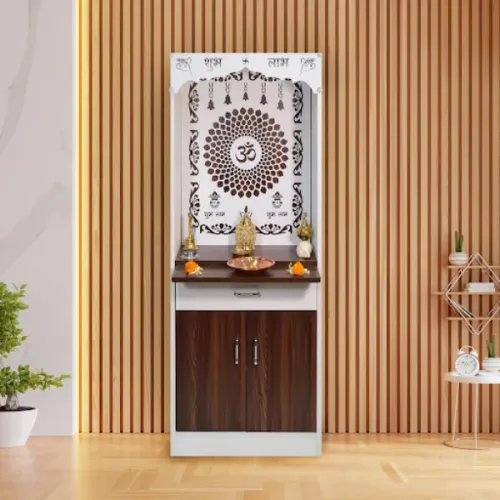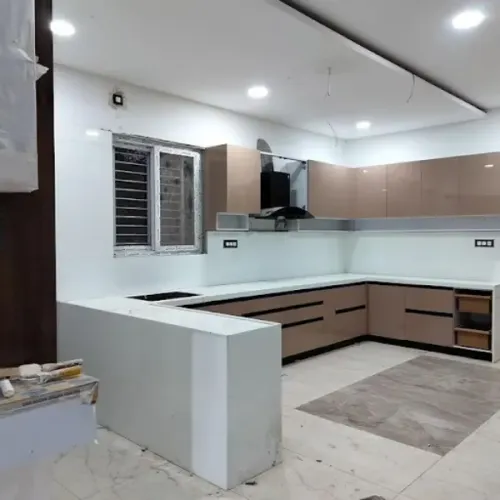
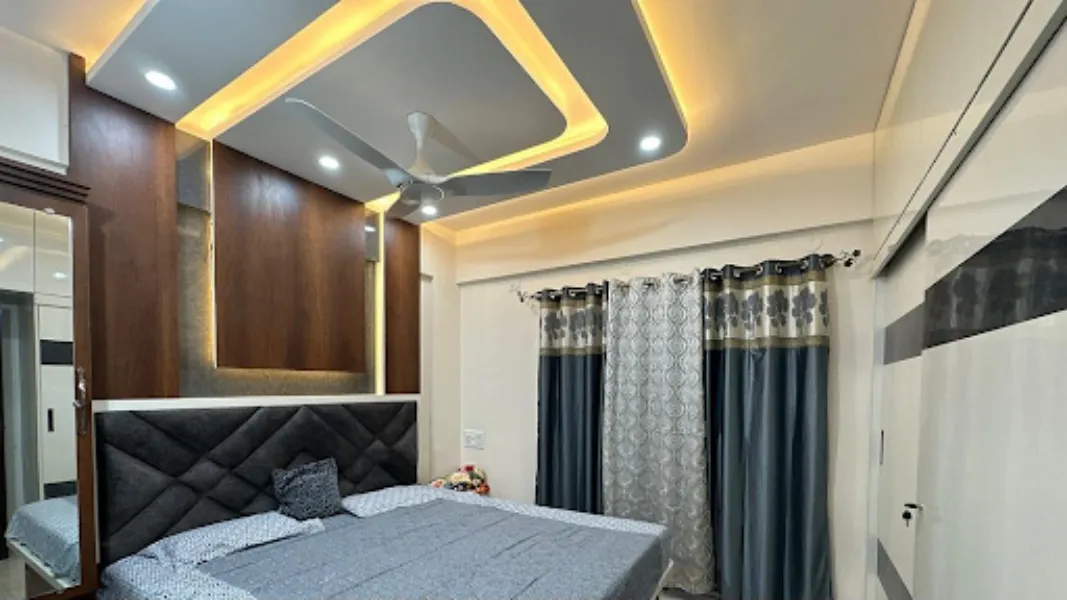
Designing a home is an exciting journey, but it also involves hundreds of decisions. From selecting furniture and colours to planning storage and lighting, every choice affects how comfortable and functional your home will be. Many homeowners begin with the idea of managing everything themselves, only to realize that creating a well-planned interior requires careful coordination and technical knowledge. This is why many people consider working with an experienced Interior designer.
In Punawale, Pune, Maharashtra, residential developments continue to grow, and homeowners are increasingly looking for interiors that are practical, visually appealing, and tailored to modern lifestyles. Understanding the difference between a DIY approach and professional interior design can help you decide which option best suits your needs.
What Does an Interior Designer Actually Do?
Many people assume an interior designer only helps with selecting colours or furniture. In reality, interior design involves planning every aspect of how a space functions.
A professional interior designer typically helps with:
- Space planning
- Furniture layout
- Material selection
- Lighting design
- Storage planning
- Colour coordination
- Ceiling concepts
- Furniture customization
- Project coordination
The goal is to create a home where every element works together while making daily living more convenient.
When Can a DIY Approach Work?
A do-it-yourself approach can be suitable for smaller projects, especially if the work involves simple updates such as repainting walls, changing curtains, or replacing individual furniture pieces.
DIY may work well if:
- The project is limited in scope.
- You have sufficient time for planning.
- Structural changes are not required.
- You already have experience with home renovation.
- You are comfortable coordinating multiple vendors.
However, larger renovation projects often involve more complex planning than many homeowners initially expect.
Benefits of Hiring a Professional Interior Designer
Professional designers bring experience that helps avoid costly mistakes and improves the overall functionality of the home.
Some advantages include:
- Better utilization of available space
- Improved storage planning
- Coordinated furniture and finishes
- Practical lighting layouts
- Material recommendations based on durability
- Efficient project planning
Rather than selecting products individually, designers focus on creating a complete and balanced interior.
Common Challenges During Home Interior Projects
Many renovation projects face delays or unexpected expenses because important details are overlooked during the planning stage.
Some common challenges include:
- Incorrect furniture measurements
- Poor storage planning
- Inadequate electrical point placement
- Mismatched materials and finishes
- Limited coordination between different contractors
- Budget overruns caused by repeated modifications
Professional planning helps identify these issues before work begins, reducing unnecessary changes during execution.
How to Decide Which Option Is Right for You
Choosing between DIY and professional design depends on the size and complexity of your project.
A professional interior designer is often a better choice when:
- You are furnishing a new home.
- Multiple rooms require coordinated interiors.
- You need customized furniture.
- Space optimization is important.
- You want a consistent design throughout the house.
- You have limited time to manage the project yourself.
For smaller decorative changes, a DIY approach may still be sufficient.
Questions to Ask Before Selecting an Interior Designer
Before finalizing a designer, homeowners should understand the planning process and project approach.
Useful questions include:
- How will the available space be utilized?
- Can furniture be customized according to room dimensions?
- Which materials are recommended for durability?
- How will storage requirements be addressed?
- What is the estimated project timeline?
- How are design changes handled during execution?
Clear discussions at the beginning often lead to smoother project completion.
Why Integrated Interior Solutions Are Becoming Popular
Many homeowners now prefer working with businesses that offer both interior design and customized furniture manufacturing. This creates better coordination between layouts, wardrobes, modular kitchens, TV units, beds, and other furniture while maintaining a consistent design theme throughout the home.
Residents of Punawale exploring complete residential interiors often consider Veer Modular Kitchen, which combines interior design with customized furniture manufacturing for homes. By understanding client requirements and available space before beginning production, the company focuses on creating interiors that balance functionality with aesthetics. Homeowners can also learn more about its services and completed projects through nilkanthmodularkitchen.com before planning their renovation.
Whether you choose a DIY approach or hire an interior designer, the most important step is thoughtful planning. A well-designed home should reflect your lifestyle, support your daily routine, and make efficient use of every available space. Taking the time to evaluate your requirements before beginning the project can lead to interiors that remain practical, comfortable, and visually appealing for many years.
Keywords